
On September 8, 2026, OpenAI introduced ChatGPT Images 2.5, its new image generation model, rolling out to everyone using ChatGPT. According to OpenAI, more than 3 billion images are already generated every week across ChatGPT Images and its API models, and this update is aimed squarely at making those images sharper, faster to generate, and easier to edit precisely.
As with any company announcing its own product, everything below is OpenAI's framing of its own release, not independent testing. Here's what they actually claim, in plain English.
Truer to your reference photos
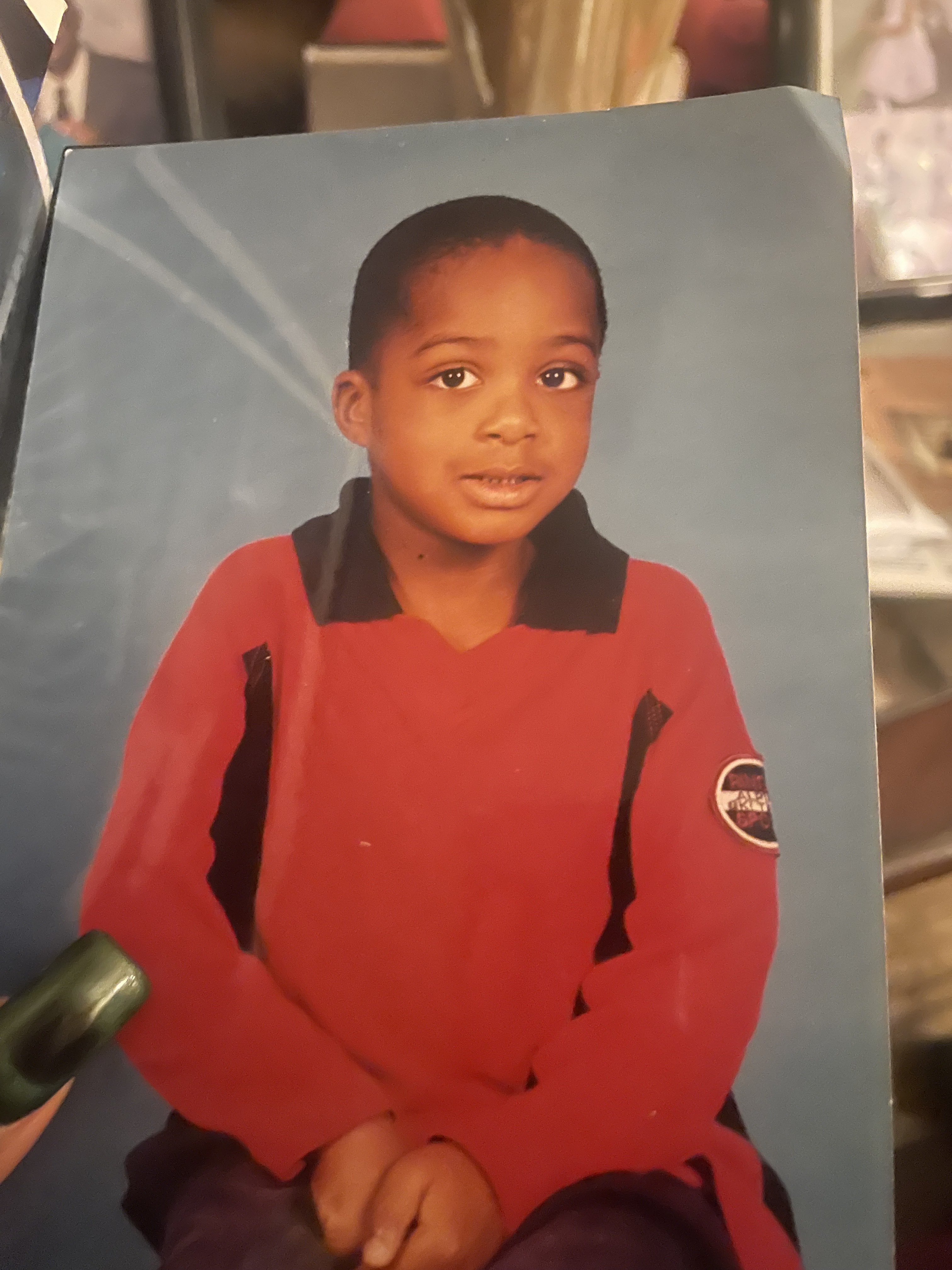
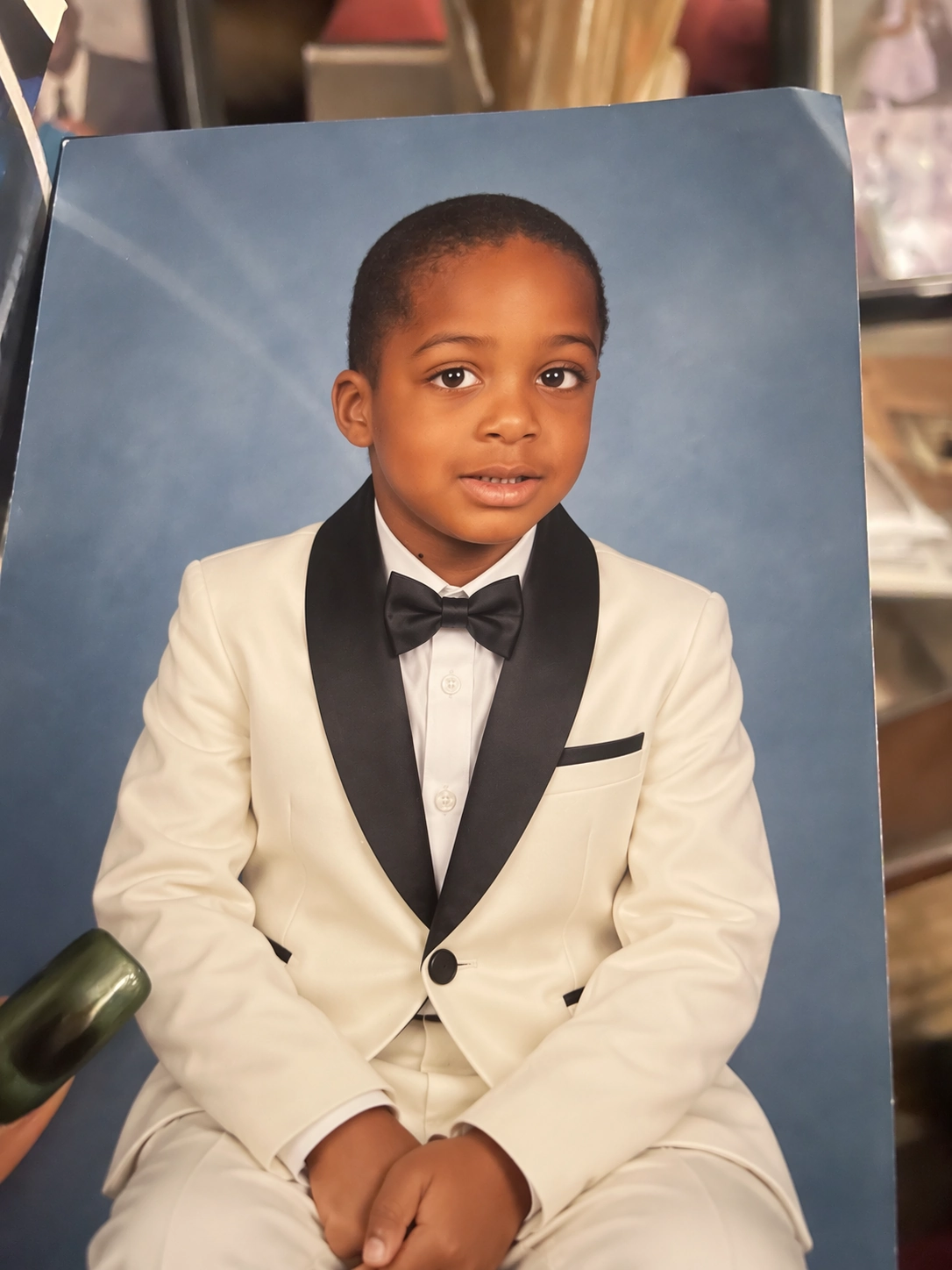
A big focus of this update is working from a photo you already have rather than generating something from scratch. OpenAI says Images 2.5 is better at taking a reference photo, a person, a pet, a place, and carrying it into a new setting, style, or composition while keeping it actually recognizable. Lighting and texture are meant to look more natural too, rather than the slightly plastic look that's given away AI-generated images in the past.
Editing only what you actually asked for
One of the more practical complaints with AI image editing has always been that asking for one small change can quietly alter everything else in the image too. OpenAI says Images 2.5 is specifically better at making a focused edit, changing what you asked for, like a product, a background, or a piece of text, while leaving the rest of the image alone, even in busier scenes with more going on.
Staying consistent across a longer editing session
This matters if you're the kind of person who goes back and forth refining an image over several messages rather than getting it right in one shot. OpenAI says Images 2.5 holds onto earlier edits more reliably as you keep making changes, so the tenth edit in a conversation doesn't quietly undo or blur details from the third one. Image quality is meant to hold up over that whole back-and-forth, rather than degrading a little with each new request.
Better at understanding what you actually meant
OpenAI also claims general intelligence gains in how the model reads a prompt, not just how it renders pixels. Images with real-world information in them are meant to be more accurate, it can now handle more complex layouts including transparent backgrounds, and it's supposed to be more faithful to a specific visual style you're going for instead of drifting toward a generic AI look the more detailed your instructions get.
New ways to create: Sketch, templates, and sharing prompts
A few actual product features shipped alongside the model itself. Sketch lets you draw directly inside ChatGPT, a rough room layout, an outfit idea, even a doodle, and have it turned into a complete image based on your sketch plus a written description. You don't need to be able to draw well, it's just another way to point the model at what you mean. You can try it by typing "@Sketch" in ChatGPT.
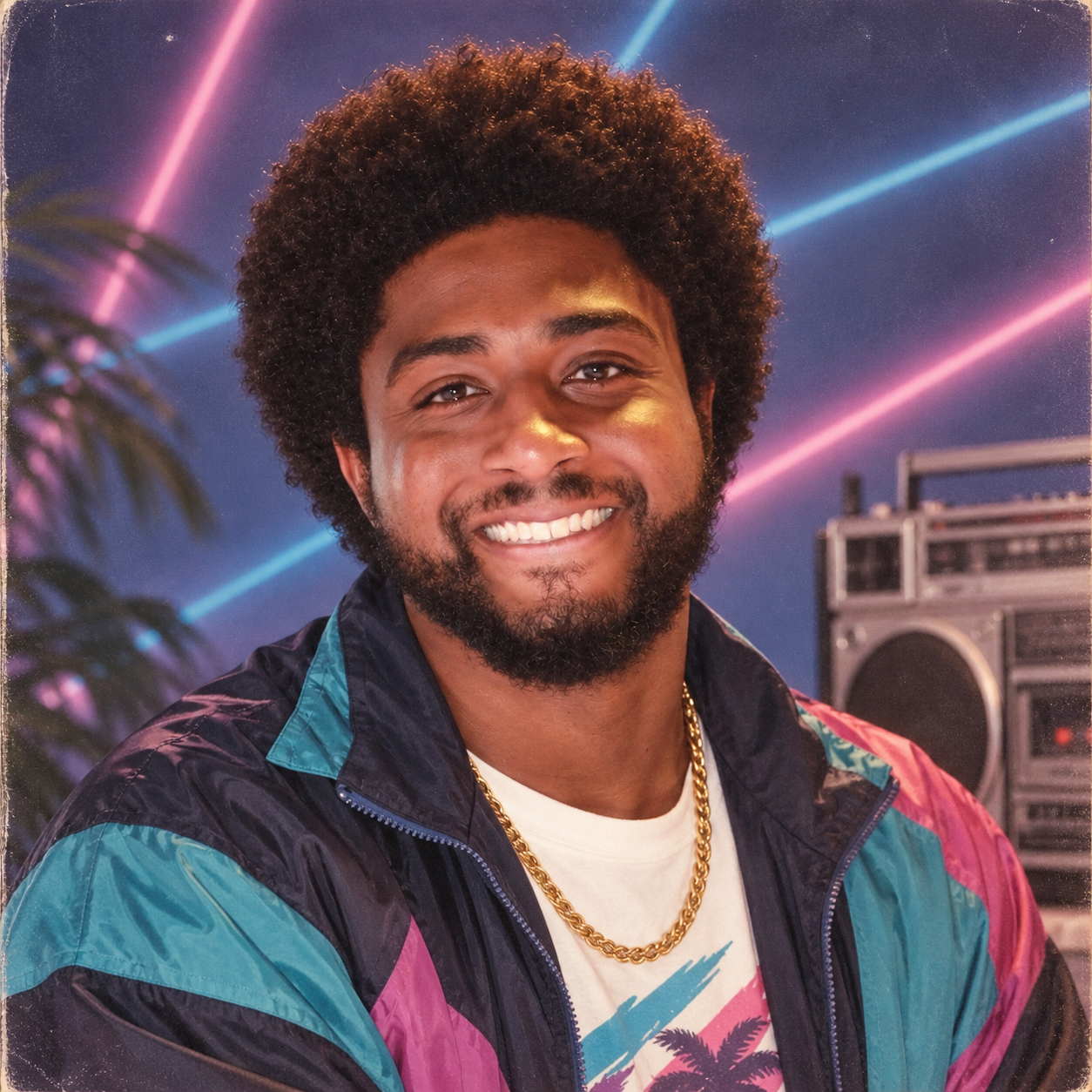
There are also templates now for common formats like posters and merch, so you're filling in a structure instead of starting from a blank prompt box, plus the ability to comment directly on a specific part of an image for more targeted edits, and to share the exact prompt behind an image you made so someone else can remix it with their own photos.
What this means for developers
Alongside the ChatGPT-facing update, OpenAI released two new models in its API: GPT‑Image‑2.5 Flare and GPT‑Image‑2.5 Sunburst. Flare is positioned as the default option for most uses, OpenAI says it delivers higher quality than the previous API model at about half the latency, aimed at things like social content, product images, and high-volume generation. Sunburst is the slower, more precise option, built for premium workflows like polished campaign creative where tighter control over every edit matters more than speed.
OpenAI shared a quote from Higgsfield AI's Head of Product, Axultan Alimkulov, praising Flare specifically for understanding what not to change during an edit, calling it important for the way creative teams actually work across film, user-generated content, and advertising.
Safety measures
OpenAI says Images 2.5 builds on its existing safety checks on both prompts and generated images, and continues using C2PA metadata and invisible watermarking so AI-generated images can be identified after the fact. Worth noting this is entirely self-reported, OpenAI hasn't published independent verification of how effective these safeguards actually are in practice.
Availability and pricing
Images 2.5 is available now to everyone on ChatGPT, ChatGPT Work, and Codex, across desktop, mobile, and web, on every plan tier, not gated behind a paid subscription. For developers, the two new API models, Flare and Sunburst, are priced and billed separately through OpenAI's standard API pricing.